In today’s fast-paced global manufacturing and processing landscape, maintaining a competitive edge requires continuous improvement and rigorous optimization.
Industrial operations face constant challenges, ranging from rising energy expenses and equipment wear to unexpected downtime and supply chain fluctuations.
To achieve peak operational performance, plant managers and executives must implement targeted engineering and management practices.
Whether you operate a chemical processing facility, a heavy manufacturing plant, or a specialized technical workshop, refining your workflow is essential. Here are five essential strategies and tools to drastically improve the production efficiency of your industry.
1. Preventing Thermal Resistance and Scaling Through Advanced Antifoulant Solutions
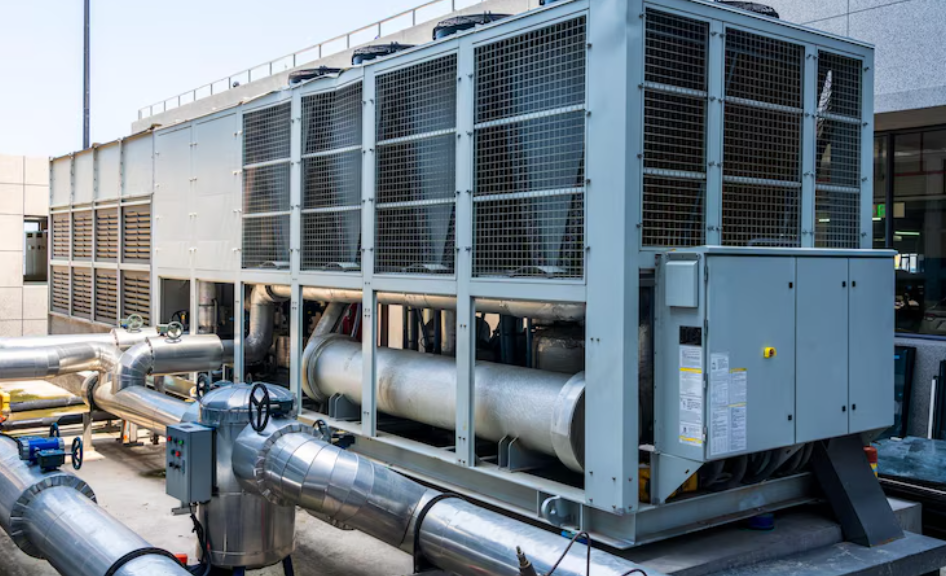
Equipment fouling remains one of the most stubborn and expensive hurdles in heavy industrial and chemical processing sectors. The unwanted accumulation of biological matter, suspended solids, and inorganic mineral scale on critical heat transfer surfaces acts as a thermal insulator.
This buildup severely degrades operational efficiency, forces excessive energy consumption, and leads to costly, premature equipment failures.
Implementing a comprehensive chemical treatment program utilizing a specialized antifoulant allows facilities to modify crystal structures, prevent particle agglomeration, and keep internal conduits pristine.
Maintaining clean heat transfer surfaces ensures maximum throughput, lowers utility bills, and significantly extends the operational lifespan of vital machinery.
2. UltraTech 1500: Reliable Power Quality for Uninterrupted Workstations
Electrical instability, voltage sags, and sudden power surges are silent killers of modern industrial automation and data infrastructure. Unplanned interruptions can corrupt sensitive control systems, damage automated controllers, and halt entire production lines, resulting in massive financial losses.
Integrating reliable power management hardware such as the ultraTech 1500 line-interactive system provides crucial backup power and advanced automatic voltage regulation.
By smoothing out noisy power sources and providing seamless transition during electrical anomalies, this equipment protects critical servers, monitoring workstations, and sensitive electronics from harm.
Safeguarding your facility’s power network guarantees continuous operational uptime and protects valuable digital assets.
3. Embracing Predictive Maintenance and Internet of Things Sensors
Traditional reactive maintenance—fixing equipment only after it breaks down—leads to catastrophic bottlenecks and severe production delays. Modern industrial facilities are shifting toward predictive maintenance strategies powered by internet of things sensors and machine learning analytics.
By continuously monitoring vibration signatures, operating temperatures, and acoustic anomalies in real-time, maintenance teams can identify component wear long before failure occurs.
Scheduling targeted servicing during planned operational windows minimizes unexpected downtime, optimizes spare parts inventory, and ensures that heavy machinery runs at peak performance levels throughout its lifecycle.
4. Streamlining Workflow and Lean Manufacturing Principles
Waste elimination is the absolute core of maximizing industrial throughput. Adopting lean manufacturing principles allows organizations to identify and purge non-value-adding activities from the production floor.
By mapping the entire value stream, managers can detect excessive material handling, reduce work-in-progress inventory, and reconfigure workstation layouts to promote smoother ergonomic movement.
Empowering floor operators to halt production and resolve root causes immediately when defects appear fosters a culture of uncompromising quality. Streamlined workflows shorten overall lead times, lower operational costs, and deliver superior value to end customers.
5. Integrating Automation and Robotics for Consistent Quality
Human error and manual fatigue often contribute to inconsistent product quality and slower cycle times in repetitive manufacturing environments.
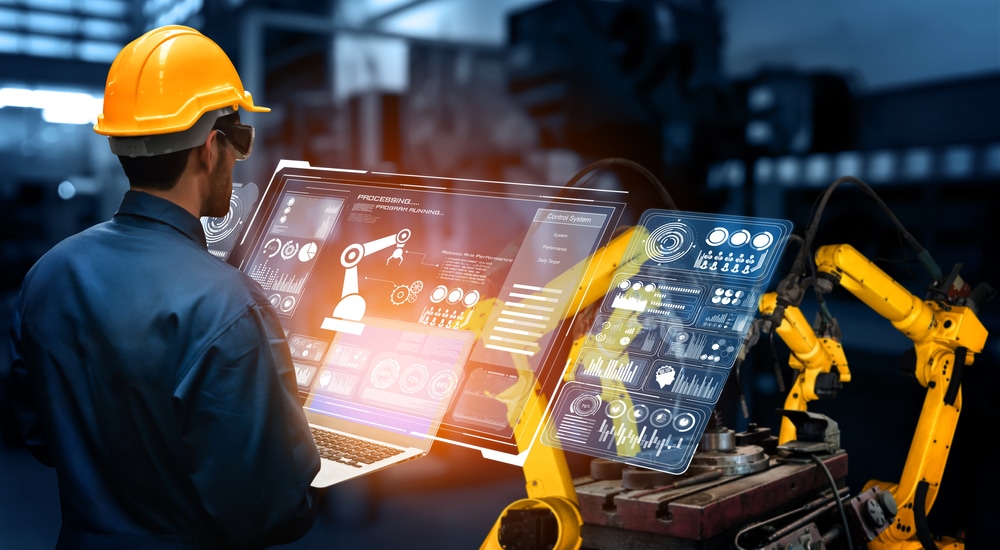
Introducing targeted automation and industrial robotics bridges this gap by executing high-precision tasks with absolute repeatability. Whether handling hazardous materials, performing precision welds, or sorting finished packaging, automated systems operate continuously without performance degradation.
Furthermore, robotic integration frees skilled human workers to focus on complex problem-solving, process engineering, and quality supervision, combining the speed of machines with human ingenuity to drive overall plant productivity.