Introduction
Grinding is an important procedure in industrial manufacturing and metalworking, which can improve the accuracy, smoothness,s and longevity of materials. Grinding of concrete, metal, al or any other hard surface using a grinding disc will also increase efficiency and enhance the quality of your product. In this article,cle we’ll go over the most important grinding techniques and tricks that will help you go from beginner to expert within a short period of time.
What is Grinding, and Why Does It Matter?
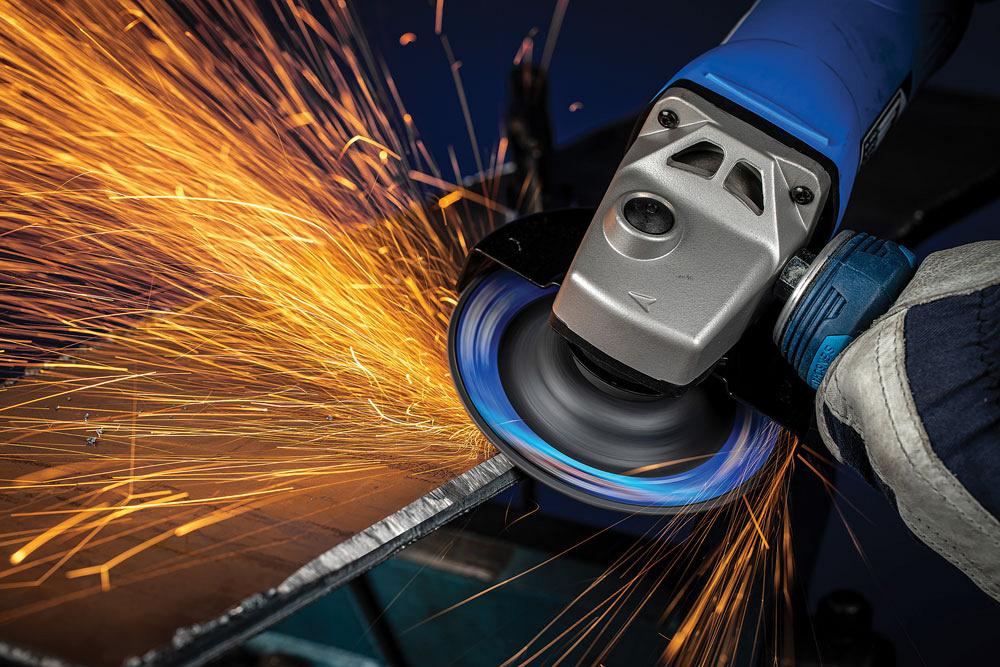
Grinding is a process of manufacturing that makes use of an abrasive in order to remove material from the surface of the workpiece. It is used extensively in metalworking, repair of vehicles, construction, carpentry, and other industries. It is made possible by the use of a device called the grinding disc, which can be rotated at high speed to polish or cut objects. There are a variety of discs available, such as flap discs and cutting wheels, and different diamond grinding discs have been designed to provide specific surface finishing and tolerances.
The right type of grinding disc is essential to your success, cess especially if you’re an aspiring newcomer. Be aware that using the wrong kind of disc could result in not just poor grinding, but also excess material loss or even an increased risk to safety.
Which Grinding Disc Do You Need for Your Application?
According to the industrial application, the type of grinding discs is accompanied by its own set of specifications. Here’s a listing of some of the most frequently used categories:
- The Aluminum Oxide discs: Are Ideal for grinding irons, steels, and other ferrous metals. They are reasonably priced and provide a smooth and polished surface.
- Silicon Carbide Disks: The most suitable for non-ferrous metals, stone, and glass grinding. They are durable and fast.
- Diamond grinding discs: for cutting and polishing ceramics, concrete,e and other very hard materials.
- Flap discs: They are typically employed to finish the surface and to smooth edges in metalworking.
- Cutting discs: They are used for cutting through hard and metal materials.
A proper measurement of the correct grinding disc is essential, as it aids in maximizing its use and protects the disc as well as the object that is being utilized.
Key Grinding Techniques For Best Results
Grinders: Beginners Guide & Common Questions. For anyone who is just beginning, it is essential to know the proper techniques for grinding to ensure precise, smooth, and top-quality finishes. Here are some key techniques to keep in mind:
Maintain the Right Angle
The angle of grinders is crucial for an even cut or smooth surface. For grinding the metal, a 15 – to 30-degree angle is typically recommended. When using a disc for finishing surfaces, an angle that is flatter (5 -10 degrees) will guarantee minimal material removal.
Use Controlled Pressure
When you force too hard during grinding, you can cause burns to the disc, and uneven surfaces could result. Replace it with a steady, moderately slowed pressure, and let the disc complete the job. The force of too much can create excessive heat and damage materials by the disc shattering or warping.
Keep the Grinder Moving
Don’t grind in a single location, as this may cause overheating or create deep grooves. Make sure to move the grinder with a smooth, controlled motion. This helps to achieve the same removal material, as well as an improved polished finish.
Check for Wear and Tear
As time passes, most grinding discs degrade when they are damaged. Using a worn disc could be dangerous. Before beginning any project, be sure to check for chips, cracks, and excessive wear and tear on your grinding disk. New discs are secure and efficient.
Follow Safety Guidelines
Because grinding generates the possibility of sparks and hot dust, the proper protection equipment is vital. When it comes to grinding, always wear gloves, safety glasses, and a face shield. Make sure that the room is properly ventilated to keep dust from accumulating.
Common Mistakes to Avoid
These are some of e the most common mistakes that can be avoided if you were a beginner!
- Incorrect application of the wrong disc: A few grinding discs are made for the same material. Choosing the wrong disc could result in a poor application and wear that is unnecessary wear.
- Applying Pressure: Too excessive pressure, either upwards or downwards, can cause damage to the workpiece and impact the life of the grinding disc.
- Safety precautions not taken: Make sure to wear protective equipment when operating an angle grinder. Follow the instructions of the manufacturer on working with the grinder.
- Cleaning and inspecting: Your discs, as well as the grinder, on a regular basis will ensure that the machine runs efficiently.
Conclusion
As a professional grinding expert, it is essential to understand the basics of grinding since it is the only way to achieve the same results as the professionals in industrial applications. Making the best choice of a grinding disc, ensuring that you are maintaining the right angles, applying the right pressure, and adhering to security protocols are all methods that a beginner can use to increase their skills and efficiency in grinding. It doesn’t matter if you are grinding against concrete, metal, or something else; understanding the fundamentals of grinding will result in a more polished quality finish, as well as making sure that your equipment is as durable as it can be.
To get the best results from grinding regularly, ensure you are using the best and most suitable grinding discs that are suited to your needs. By using the correct equipment and methods, you can attain precision, efficiency, and security in all of your grinding tasks.