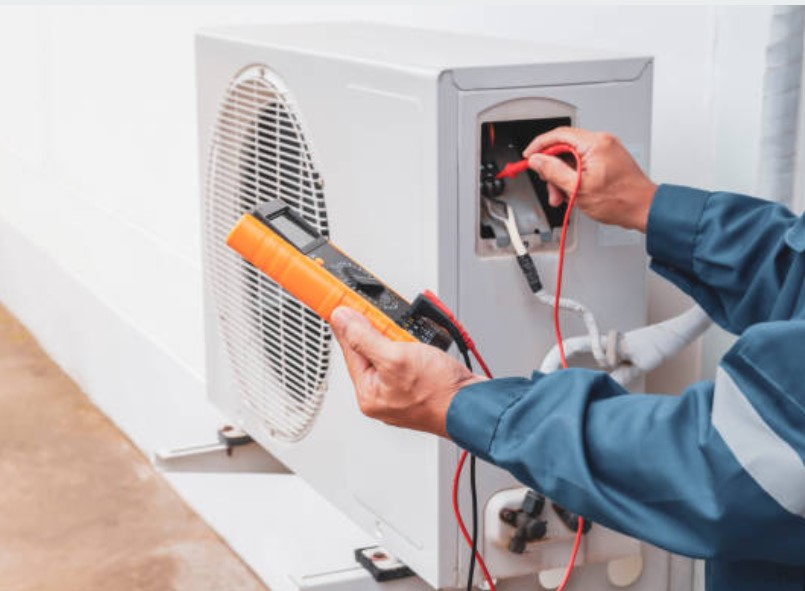
Becoming a licensed electrician in California can be a rewarding career path for people who enjoy hands-on work, problem-solving, and learning technical skills. Electricians install, maintain, troubleshoot, and repair electrical systems in homes, businesses, and industrial facilities. Because electrical work involves significant safety risks, professional training and licensing are important parts of entering the trade.
The exact requirements vary by location, but aspiring electricians typically progress through education, apprenticeship training, practical experience, examinations, and licensing. Here is a general guide to the process.
1. Learn About the Electrical Trade
Before beginning formal training, take time to understand what electricians do. The job can involve reading electrical diagrams, installing wiring and equipment, identifying faults, maintaining electrical systems, and following applicable safety and building requirements.
Electricians may work indoors or outdoors and can spend considerable time standing, climbing, lifting equipment, or working in confined areas. Understanding the physical and technical demands of the profession can help determine whether the trade is a good fit.
2. Complete Basic Education
Many electrician training pathways begin with a high school diploma or equivalent qualification. Mathematics, physics, technical education, and computer-related subjects can provide useful foundations for understanding electrical concepts.
Some vocational or trade schools also offer introductory electrical programs. These courses can teach fundamentals such as electrical theory, wiring practices, tools, circuits, and workplace safety.
3. Enter an Apprenticeship Program
An apprenticeship is one of the most common ways to develop practical electrical skills. Registered Apprenticeships combine paid on-the-job training with classroom or related technical instruction. The U.S. Department of Labor describes apprenticeship as a pathway that provides supervised work experience, technical instruction, and a recognized credential.
During an electrical apprenticeship, trainees work under experienced professionals while gradually developing their skills. Training may include installing electrical systems, interpreting plans, using testing equipment, applying safety procedures, and troubleshooting problems.
Electrical apprenticeship programs can take several years. A U.S. Department of Labor electrician apprenticeship standard, for example, describes a four-year program with 8,000 hours of on-the-job learning plus related instruction, although requirements vary by program and jurisdiction.
4. Gain Practical Experience
Hands-on experience is essential because electrical work requires more than theoretical knowledge. Apprentices learn how electrical systems operate in real-world environments and develop the ability to work safely and accurately.
Working under qualified supervision also allows trainees to learn proper installation techniques, electrical codes, workplace procedures, and problem-solving skills. Keeping accurate records of completed training and work experience can be important when applying for licensing.
5. Understand Local Licensing Requirements
One of the most important steps in learning how to become a licensed electrician is researching the requirements where you intend to work.
Electrician licensing is generally controlled by state or local authorities rather than through one universal national license in the United States. Requirements may include specific education, apprenticeship or work experience, examinations, application fees, background requirements, and continuing education.
The U.S. Department of Labor notes that electricians in many construction occupations may need an occupational license to legally practice, with requirements established by the relevant jurisdiction.
Before enrolling in a training program, check the licensing authority in your area to ensure your education and apprenticeship will satisfy its requirements.
6. Prepare for the Licensing Exam
Where an examination is required, preparation should cover the subjects specified by the licensing authority. Depending on the jurisdiction and license level, exams may test electrical theory, wiring methods, safety practices, electrical codes, calculations, and applicable regulations.
Study materials, practice questions, trade courses, and experience gained during an apprenticeship can all help candidates prepare. Make sure you understand the exam application process, eligibility requirements, deadlines, and permitted reference materials.
7. Apply for Your License
After meeting the required training and experience requirements and passing any necessary examinations, you can apply for the appropriate electrician license.
Keep copies of apprenticeship certificates, employment records, educational documents, exam results, and other required paperwork. Licensing authorities may require specific evidence before issuing a credential.
8. Continue Developing Your Career
Obtaining a license is not necessarily the end of the learning process. Electrical technology, safety requirements, and regulations can change over time. Depending on local rules, licensed electricians may need continuing education or periodic license renewal.
With experience, electricians may pursue specialized areas, supervisory positions, or additional credentials. Some eventually establish their own electrical businesses, subject to applicable contractor and business licensing requirements.
Final Thoughts
Learning how to become a licensed electrician starts with understanding the trade and finding an appropriate training pathway. Education, apprenticeship experience, licensing preparation, and continued professional development can provide a strong foundation for a long-term career.